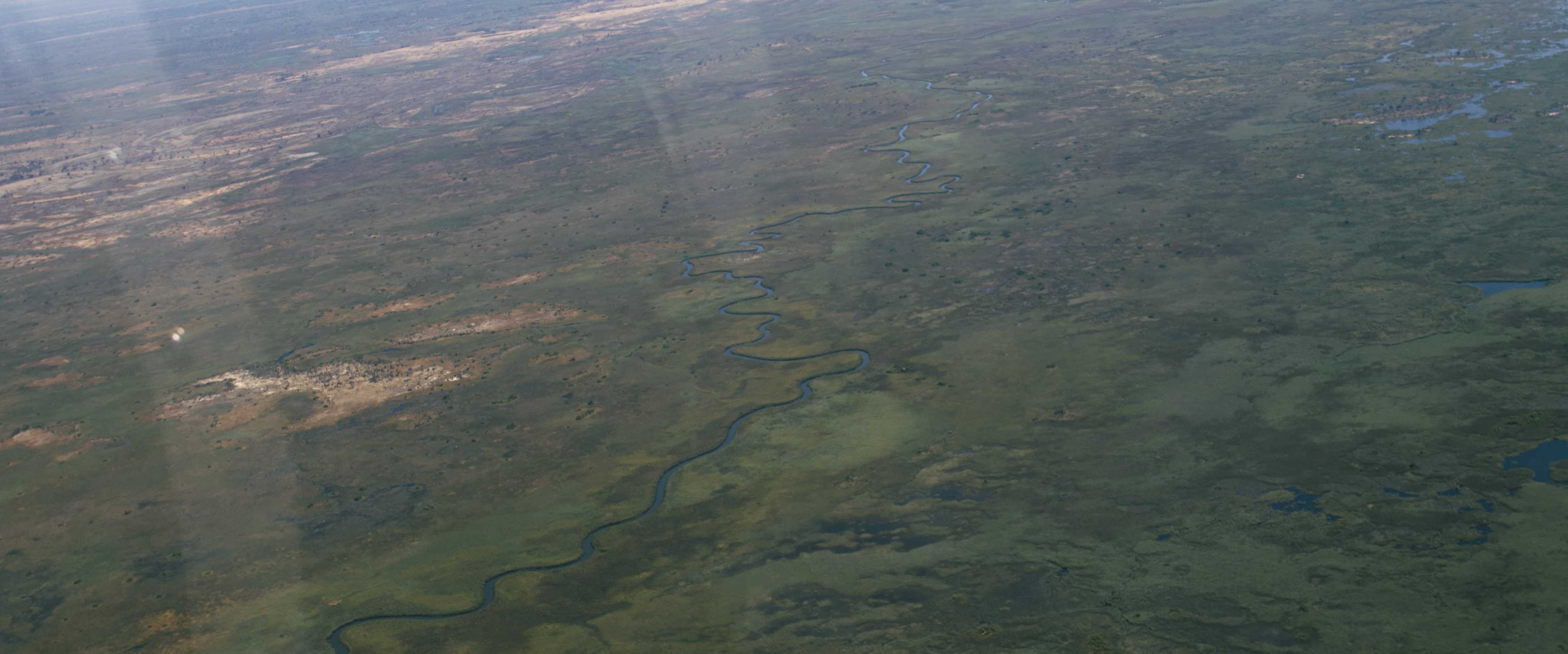
NG12 is also known as the Mapula Concession or the Okavango Sekwana Concession. The area is situated north of the Okavango Delta and just to the north of the renowned Duba Plains and Vumbura Plains concessions. NG 12 encompasses the upper reaches of the Selinda Spillway, which connects the Okavango Delta and the Linyanti River. The concession is vast at 220,000 acres but has been previously less of a focus for Delta safari activities because its situation right at the northern extent of the Delta means that it is a dryer area.
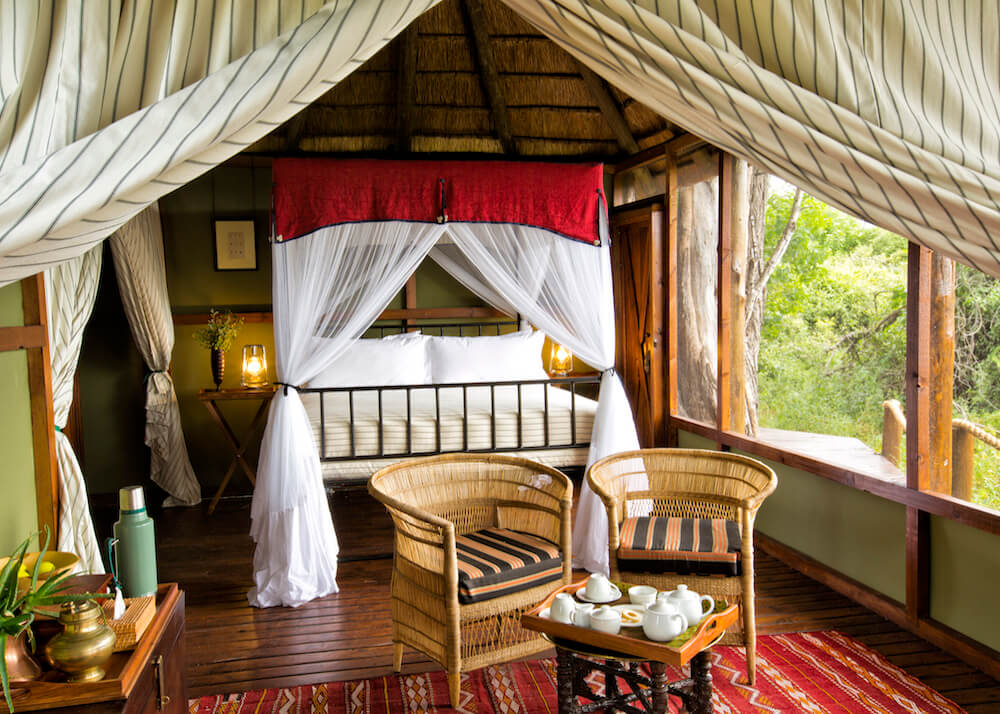
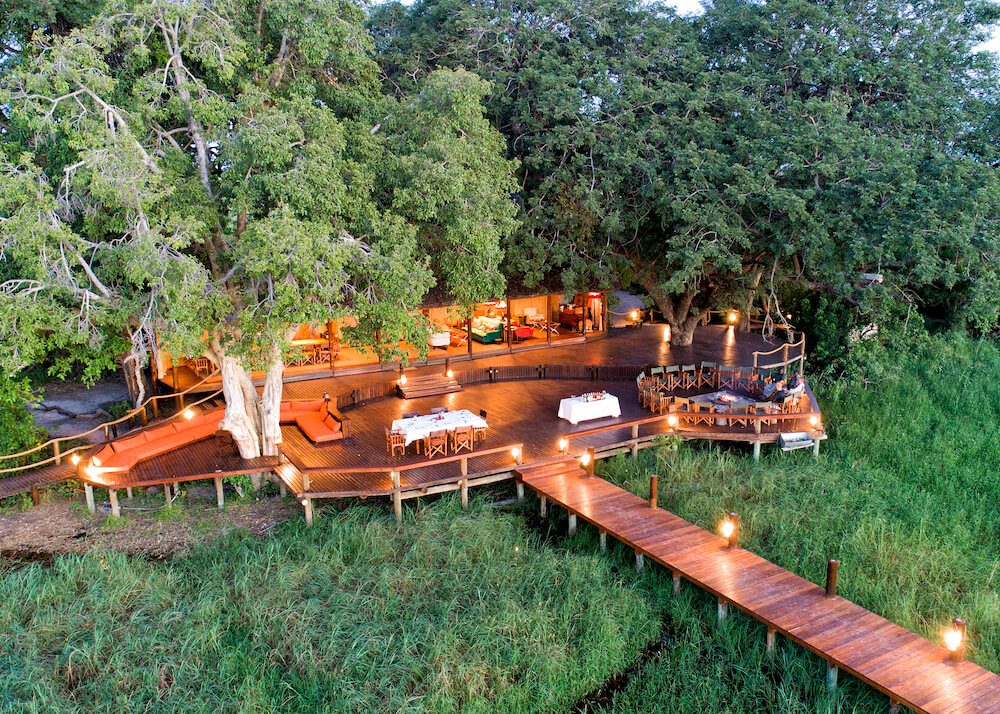
As a result of this somewhat peripheral status of NG 12 in the context of traditional Okavango Delta safaris, the camps were previously generally of lesser quality. That has now changed with established operators moving in to bring top level standards of operations, staff and accommodation to bear on the area. Good value options are available whilst the concession develops its reputation as a first rate safari destination.
The concession is notable for hosting the only hot air ballooning outfit in the region. Balloon trips can be taken by guests staying at Kadizora Camp and also Mapula Lodge. The only other concession in which hot air balloon trips operate is the Kwedi concession where guests staying at the Vumbura Plains or Little Vumbura camps may book a flight. The drier nature of these concessions makes them highly suitable for ballooning because of the practicalities of retrieval of the balloon.
NG 12 is a community concession (see Community Based Natural Resource Management) and has human habitation to the north and west; the villages of Betsaa, Eretsha, Kangara, Ganitsuga, Kombo and Gabamukuni. Therefore, Mapula Camp has community engagement projects
The veterinary or buffalo fence (erected to separate vast swathes of Botswana so as to prevent the transmission of foot and mouth disease between ungulates, particularly the wild buffalo population, and the farmed cattle) runs through part of the concession. However, because of its undermaintained state, animals can travel freely through gaps in the veterinary fence. Game drives are likewise able to pursue routes either side of the fence. The drives will however be affected in terms of range by the flood levels. The dry season begins in April/ May, but the flood arrives early in the western side of the Delta where NG 12 is situated. The area is drier than more central Delta concessions and therefore water based activities cannot be guaranteed at all times in all camps.
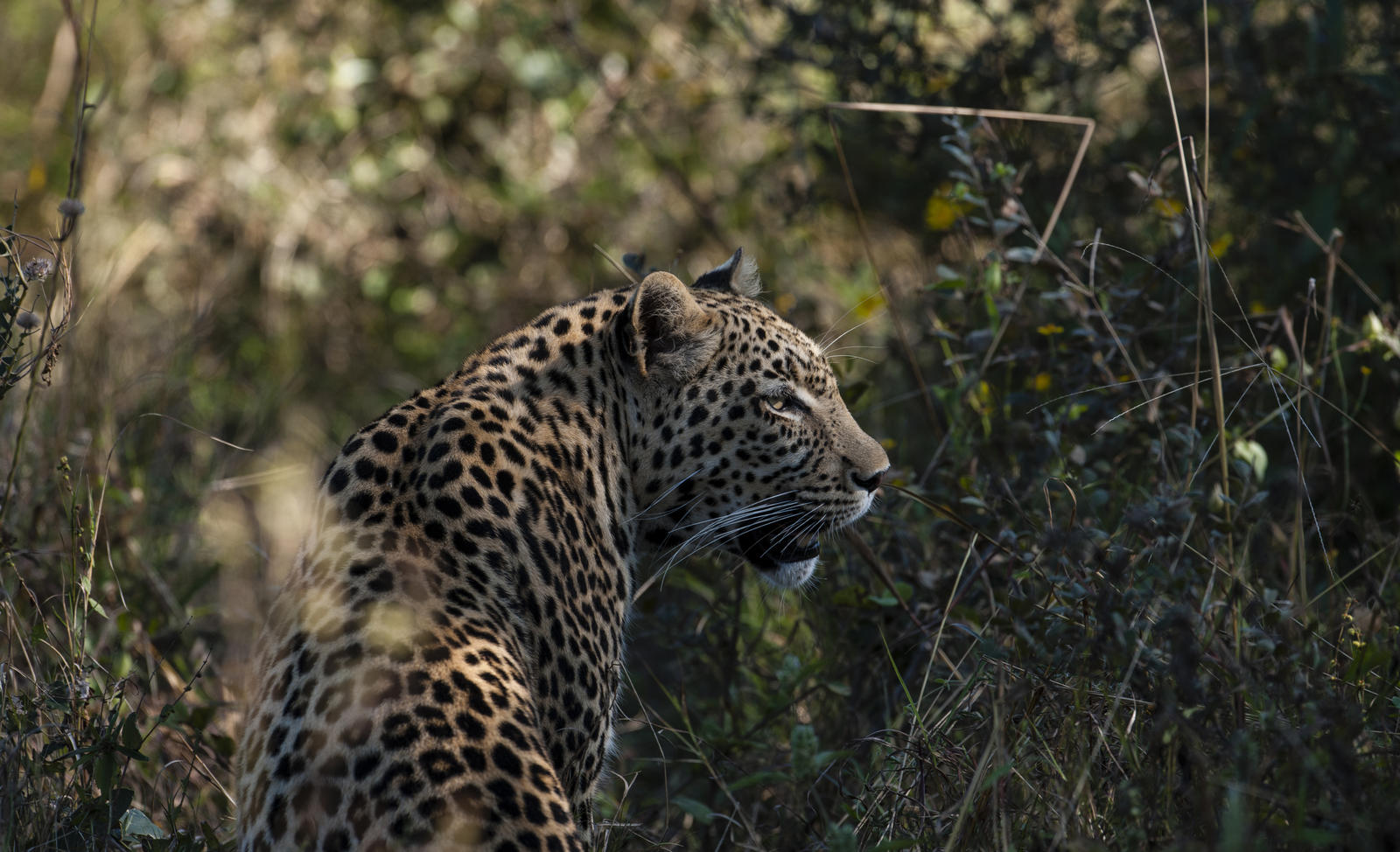
Animals: The south has a large area of mopane woodlands and very good game viewing. Zebra, giraffe, buffalo, elephant and antelope including wildebeest, kudu and red lechwe are all commonly found here. These attract predators including lion and wild dog. There has previously been a concern that the game in the area is skittish and wary of vehicles because the animals were less habituated to human presence as a result of the lower concentration of safari activity. However, the sightings in recent years have been good and this issue is diminishing as the safari operations have developed.
The proximity of human habitation in the north and west of the concession has resulted in wildlife conflict with villagers and affected elephant behaviour with matriachs displaying aggressive attitudes towards vehicles. However, this issue has been actively addressed through programmes such as: Natural Selection’s Mmogo Coexistence Programme to minimise predation upon cattle; Elephant Expressto provide safe transportation for villagers through an elephant corridor; and a communal herding programme by by CLAWS (Communities Living Alongside Wildlife Sustainably) to prevent overgrazing and loss of livestock and retaliatory poisoning and killing of predators. These and other initiatives mean that the problem has eased.
Birds: Bird life is prolific and varied. Carmine bee eaters, the African paradise flycatcher and the endangered wattled crane are found here, to name a couple.
Plantlife: NG12 is beautiful with grass plains and islands on which knobthorn, leadwood, sausage and other trees provide pleasant shade. It has highly varied habitats.
Best Months: As NG 12 is largely a dry area, game viewing is at its peak in the rain free winter months April to October because this is (confusingly!) when the flood has made its way down from the Angolan highlands and water levels are at their highest. Birdlife is most spectacular during the summer rains which is the birds’ breeding season.
Access: By light aircraft from Maun, around 45 minutes flight
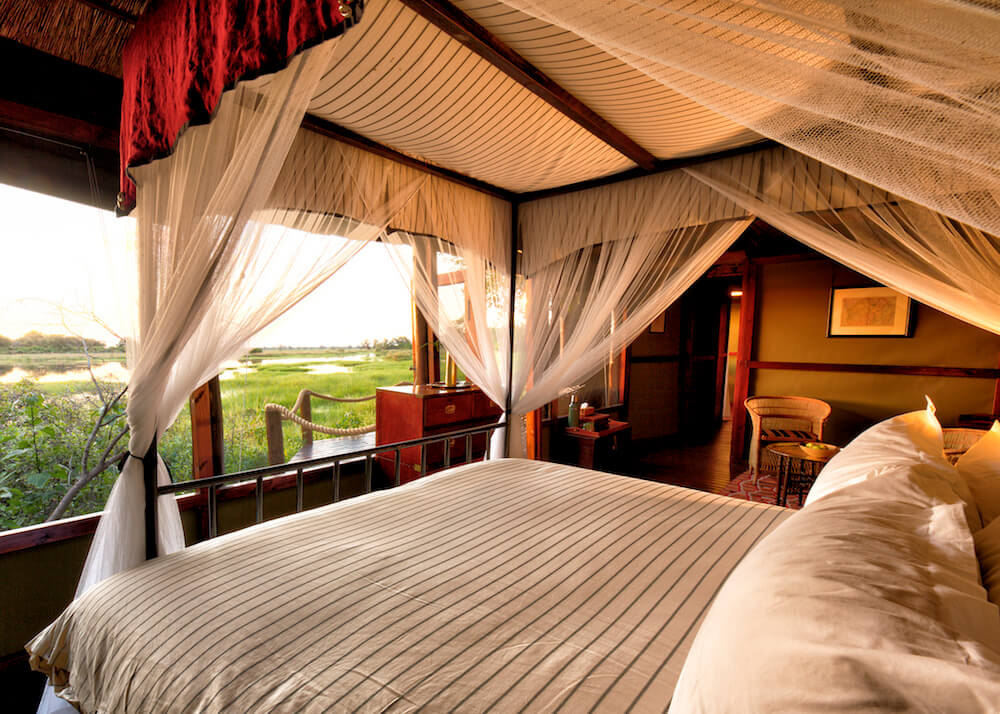
Camps: NG12 hosts the following camps: Mapula Lodge, Kadizora.